Chemical Elements
Explore the building blocks of matter and discover the fascinating world of the periodic table.
Understanding Elements
Chemical elements are pure substances consisting of atoms with the same atomic number. Each element has unique properties determined by its atomic structure, including the number of protons, neutrons, and electrons. The periodic table organizes these elements based on their electron configurations and chemical behavior.
From the lightest element, hydrogen, to the heaviest naturally occurring elements, each plays a crucial role in the composition of matter. Elements combine through chemical bonds to form compounds, creating the vast diversity of substances we observe in nature and the laboratory.
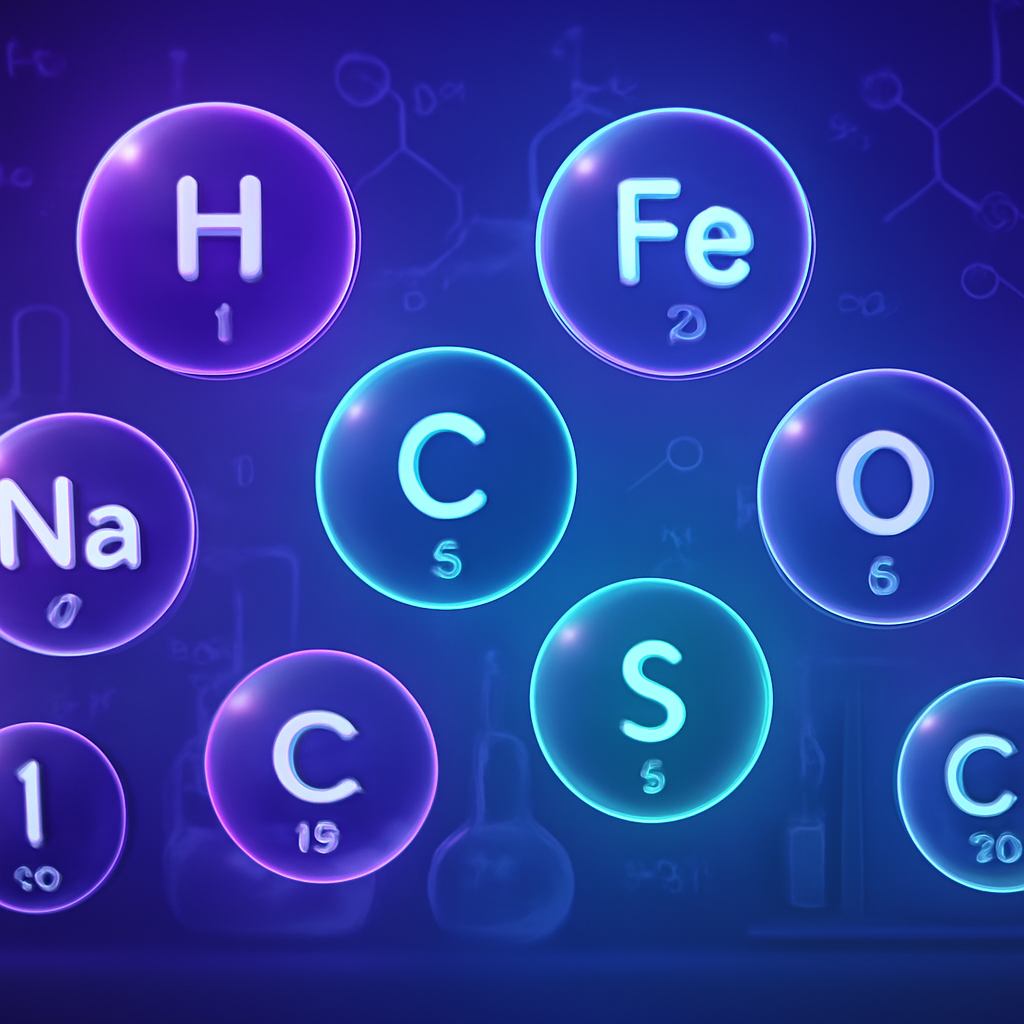
Element Properties
Elements exhibit distinct physical and chemical properties based on their position in the periodic table. Metals tend to be good conductors of electricity and heat, while nonmetals often form covalent bonds. Noble gases are particularly stable and rarely react with other elements.
Understanding element properties is essential for predicting chemical behavior, designing experiments, and developing new materials. Laboratory analysis techniques help scientists identify elements and study their interactions in various conditions.