History of Chemistry
Discover the evolution of chemistry from ancient alchemy to modern laboratory science.
Ancient Beginnings
The history of chemistry spans thousands of years, beginning with ancient civilizations that practiced metallurgy, medicine, and alchemy. Early chemists sought to transform base metals into gold and discover elixirs of life, laying the foundation for modern chemical understanding through empirical observations and experimentation.
Ancient Greek philosophers proposed theories about the nature of matter, suggesting that all substances were composed of fundamental elements. These early ideas, while not entirely accurate, represented important steps toward understanding the composition and behavior of materials.
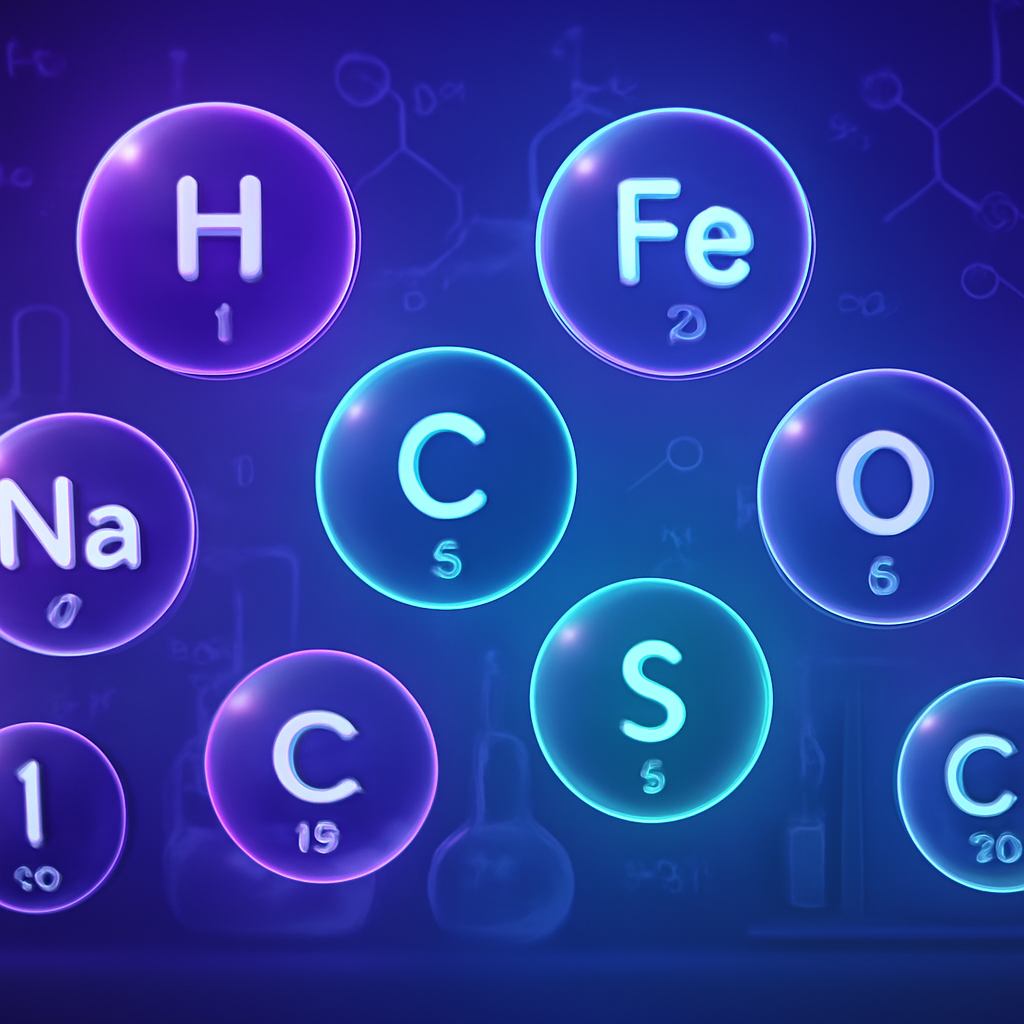
Modern Chemistry
The development of modern chemistry accelerated in the 18th and 19th centuries with the work of scientists like Antoine Lavoisier, who established the law of conservation of mass, and Dmitri Mendeleev, who created the periodic table. These discoveries provided systematic frameworks for understanding chemical behavior.
Twentieth-century advances in quantum mechanics and analytical techniques revolutionized chemistry, enabling scientists to understand atomic structure and molecular interactions at fundamental levels. Today, chemistry continues to evolve with new discoveries and applications in diverse fields.